Living in St. George or anywhere in Southern Utah means embracing a desert climate that’s hot, dry, and often dusty. While this environment offers stunning landscapes and steady population growth driving home remodels, it also poses unique challenges for flooring choices. Homeowners here, often planning oriented folks worried about long-term wear, pets, resale value, and avoiding failures from poor installation or material mismatches need carpets that stand up to intense sun, low humidity, and tracked in red dirt without becoming brittle, faded, or heat-trapping nuisances.
At Millcreek Floor & Window Coverings, we guide you through these decisions with clear explanations, visible standards, and proof of how our installations perform in local conditions. Drawing from recent market observations in Washington County, where demand remains strong for durable, accountable options, this post breaks down how desert weather impacts carpet and shares practical tips to choose wisely.
How Dry, Hot Weather Influences Carpet Choices
Southern Utah’s arid climate, characterized by scorching summers, minimal humidity, and dust directly affects carpet longevity and comfort:
- Dryness and Brittleness: Low humidity pulls moisture from carpet fibers, making them brittle over time. This leads to faster wear, cracking, or fraying, especially in high-traffic areas.
- Heat Absorption and Fading: Intense sunlight through windows can cause colors to fade and fibers to weaken. Darker carpets absorb more heat, making rooms feel warmer and potentially trapping odors.
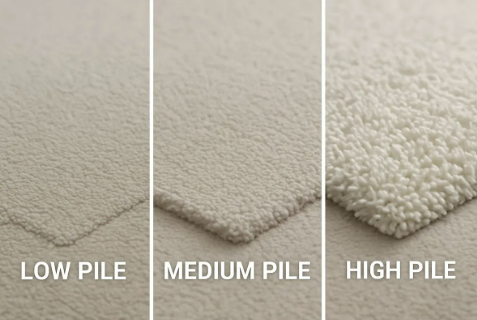
- Dust and Debris Trapping: Desert dirt and sand grind into fibers like sandpaper, accelerating damage. High-pile styles exacerbate this by holding onto particles, while the dry air increases static electricity, attracting more dust.
Knowing and understanding these factors shift buyer mindsets toward deliberate, education focused selections rather than quick fixes. Early year planning emphasizes materials that build confidence in durability without adding maintenance headaches.
Best Carpet Options for Desert Durability
Focus on breathable, resilient materials that resist fading, handle dust, and stay cool. Based on performance in similar hot, dry regions like Arizona and Nevada:
- Synthetic Fibers: Nylon and triexta (mohawk smartstrand) excel here. Nylon offers top-tier resilience and stain resistance; triexta is eco-friendly and fade-proof;
- Low- to Medium-Pile Styles: Opt for loop pile (like Berber) or cut-pile for easy cleaning and less heat/dust trapping. These provide comfort without the bulk.
- Light, Solution-Dyed Colors: Earthy neutrals or muted desert tones reflect heat and hide dirt. Solution-dyed fibers lock in color during manufacturing, preventing UV fade.
These choices align with what we’ve seen in local remodels driven by wear, pets, and lifestyle upgrades delivering floors that last with proper prep and accountability.
What to Avoid: Worst Carpets for Desert Climates
Steer clear of options that amplify the climate’s downsides:
- Natural Fibers like Wool: While they retain some moisture, they can dry out and become brittle in low humidity, plus they’re prone to fading and harder to clean dust from.
- High-Pile or Shag Styles: These trap heat, dust, and odors, feeling stuffy in hot weather and wearing out faster from sand abrasion.
- Dark or Non-Fade-Resistant Colors: They absorb sunlight, raising room temps and fading quickly under UV exposure.
Comparison Graphic: Best vs. Worst Carpets for Desert Climates
Here’s a quick comparison. We’ve included examples of durable setups that thrive in dry heat versus those that falter.
| Aspect | Best for Desert (e.g., St. George) | Worst for Desert |
|---|---|---|
| Fiber Type | Synthetic (Nylon, Triexta) – Resilient, fade-resistant, easy to clean. | Natural (Wool) – Becomes brittle, absorbs dust/odors. |
| Pile Style | Low-Medium Loop or Cut-Pile – Breathes well, traps less heat/dirt. | High-Pile/Shag – Holds heat and debris, accelerates wear. |
| Color & Finish | Light, Solution-Dyed – Reflects heat, resists fading. | Dark or Untreated – Absorbs heat, fades quickly. |
| Overall Performance | Stays cool, durable against dust/UV; low maintenance. | Brittle, hot, high wear; frequent replacements needed. |
This graphic highlights why proof like material specs and installation standards matters: The right pick reduces risk and ensures your investment performs as promised.
Practical Buying Tips for St. George Homeowners
- Assess Room by Room Needs: Bedrooms benefit from softer synthetics for comfort; high-traffic areas like living rooms need tough loops. Factor in pets (stain-resistant fibers) or resale (neutral tones).
- Prioritize Fade and Stain Resistance: Look for warranties covering UV exposure and soil. Test samples in your home’s lighting.
- Consider Padding and Installation: Quality underlay adds insulation against cool winters while allowing breathability. Insist on visible prep checks to avoid subfloor issues in dry conditions.
- Budget Smartly: Aim for mid-range synthetics that balance cost and longevity better than cheap options that fail fast.
These tips reflect the planning mindset we’re seeing more of: Asking questions, comparing proofs, and choosing for confidence over speed.
Ready to select carpet that thrives in our desert? Explore our Carpet pillar page for detailed options tailored to Southern Utah. Visit the Millcreek showroom for hands on guidance we’ll show the process upfront, from material logic to outcome ownership, so you decide with clarity.
Contact Millcreek Floor & Window Coverings today for a consultation. Installed to last. Shown up front.
Click here to get a quote.