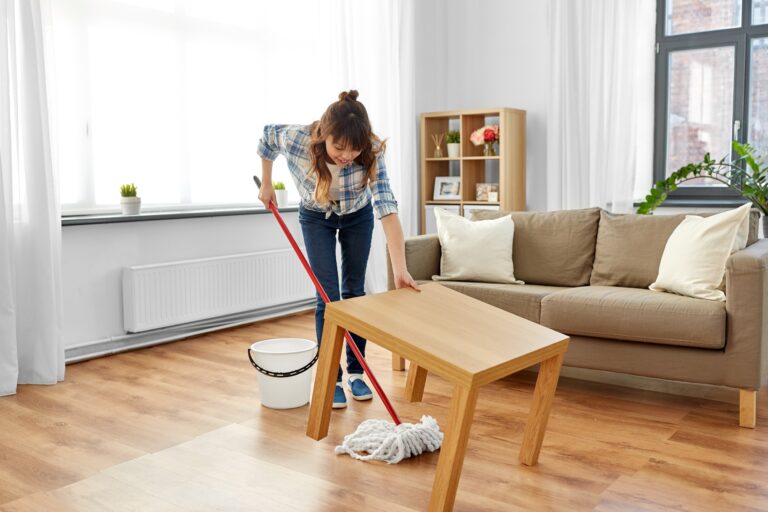
Unfortunately, dry air does more damage than spills.
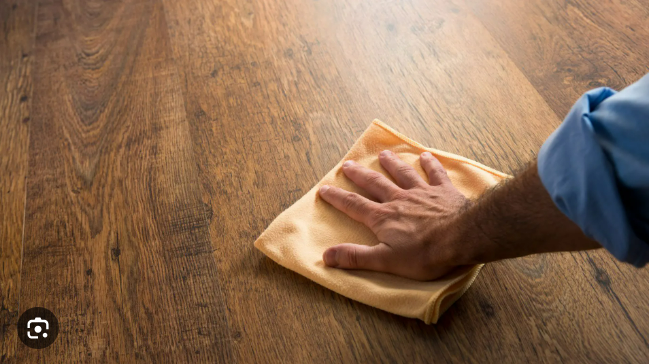
When most homeowners think about protecting hardwood floors, they think about water. Spills, wet shoes, and kitchen messes usually get the attention first. But in Utah’s dry climate, the bigger long term issue is often the air itself. Dry air slowly pulls moisture out of wood. Over time, that can lead to gaps between boards, creaks underfoot, and wear that shows up sooner than expected. It is not always dramatic at first. In many homes, it starts small. A floor that looked amazing and quiet a few months ago may begin to feel old or worn out as the seasons shift. The good news is that long term care does not have to be complicated. A few steady habits can go a long way.
Why Utah’s dry climate matters
Hardwood is a natural material. It expands and contracts depending on the environment around it. In a dry climate, boards can lose moisture and shrink. When that happens, gaps, movement, and new sounds appear in areas that used to feel solid. That does not always mean something is wrong with the floor. Wood naturally moves. But when indoor conditions stay too dry for too long, that movement can become more noticeable and harder on the floor over time.If you’re trying to plan ahead, this matters because hardwood is a long term investment. The goal is not just to make it look good after installation. The goal is to help it hold up well year after year.
1. Keep indoor conditions as steady as possible
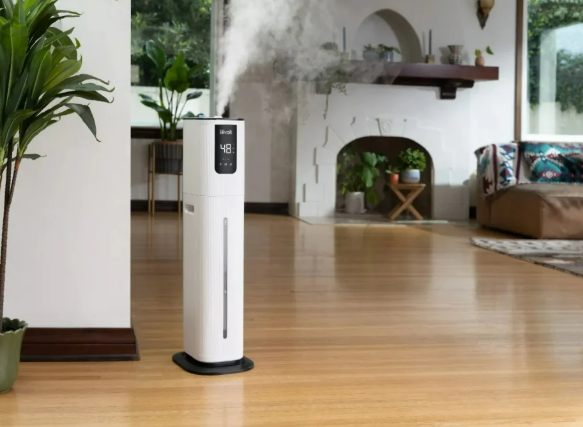
One of the best things you can do for hardwood is keep your home environment consistent. Big swings in indoor humidity levels can be hard on wood floors. In Southern Utah, that usually means paying attention during the driest parts of the year, especially when heating systems are running more often. You do not need to overcomplicate this. The main goal is simple: avoid letting the house get extremely dry for long stretches. If parts of your home tend to feel especially dry in winter or early spring, it may be worth using a humidifier to help keep conditions more stable. Consistency matters more than perfection. Hardwood does better when the environment around it stays steady.
2. Sweep and dust more often than you think
Dry climates in Utah do not just affect the wood. They also tend to bring in fine dust and grit. That matters because dirt acts like sandpaper under shoes, pet paws, and everyday traffic.
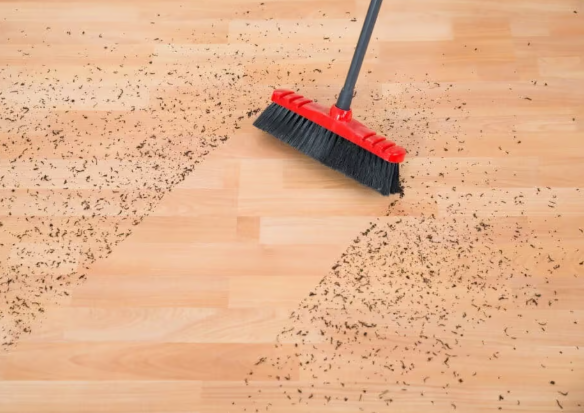
A simple routine helps:
- Sweep or dust mop regularly
- Vacuum with a hardwood-safe setting when needed
- Pay extra attention to entryways, hallways, and main living areas
This is one of the easiest ways to reduce premature wear. It is also one of the most overlooked.
3. Use rugs and mats in the right places
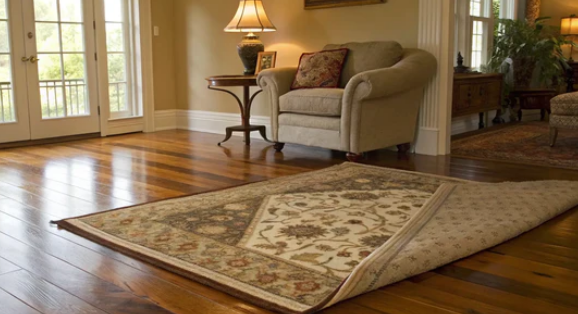
Some areas of the home work harder than others. Entryways, kitchen walk paths, hallways, and spots near exterior doors usually see the most daily traffic. That is where a rug or mat can make a real difference. The goal is not to cover the floor. The goal is to protect the places that take the most repeated wear. A well placed rug near an entry or a runner in a main traffic lane can help preserve the finish and reduce the daily stress on the floor. For pet owners, this matters even more. Repeated traffic from nails, paws, and quick turns in the same area can add up over time.
4. Clean spills quickly, but do not over wet the floor
Spills still matter. They just are not the only thing that matters. The best approach is simple, wipe up spills promptly and use a cleaner made for hardwood when the floor actually needs cleaning. Avoid soaking the floor, and skip habits that leave too much moisture behind. A common mistake is trying to deep clean hardwood the same way you would clean tile. Hardwood usually does better with a lighter touch. Think clean, not saturated.
5. Protect the floor from everyday friction
A lot of hardwood wear comes from repeated friction, not one big event.
A few small habits help:
- Add felt pads under chairs and furniture
- Avoid dragging heavy items across the floor
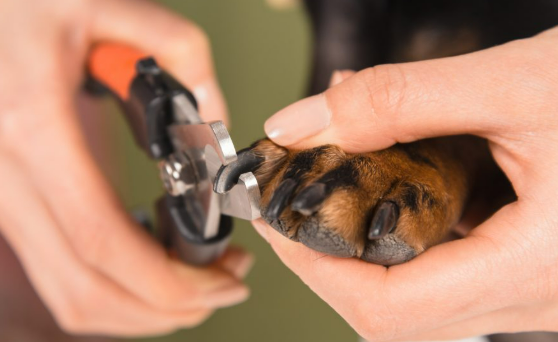
- Keep pet nails trimmed
- Be careful with shoes that carry in dirt from outside
These are simple steps, but they greatly help prevent scratches and surface wear that make floors look older faster.
6. Watch for small signs before they become bigger problems
Long term care is easier when you catch changes early. Pay attention if you start to notice:
- New gaps that seem more obvious than usual
- Areas that sound louder or creak more
- Finish wear in traffic lanes
- Spots near doors or windows that seem to dry out faster
Not every change means the floor is failing. But small signs are worth noticing. Early attention usually gives you more options and helps prevent bigger issues later.
7. Follow the care guide for your specific floor
Not all hardwood floors should be cared for exactly the same way. The type of wood, the finish, and whether the floor is solid or engineered can all affect how it should be maintained. That is one reason a care guide form the manufacturer of your specific product matters. It gives homeowners a clearer plan for what to use, what to avoid, and how to protect the floor without guessing. A floor usually lasts better when the care plan is clear from the start.
Good hardwood care is really about ownership
The best hardwood floors do not stay beautiful by accident. They last because the right material was chosen for the home, the hardwood floor installation was handled correctly, and the homeowner clearly understood the maintenance steps and had a plan for how to care for it. That kind of ownership is what protects the investment in Utah’s dry climate, that care plan matters even more. A little attention now can help prevent the gaps, noise, and wear that show up later when the environment has been working against the floor for months. Hardwood can absolutely perform well here. It just needs the kind of care that fits the climate.
If you’re unsure how to properly care for your hardwood floors or want to ensure they last in Utah’s dry climate, working with experienced flooring contractors like Millcreek can make all the difference. Professional guidance not only helps prevent common issues like cracking and gaps but also ensures your floors receive the right treatments and maintenance for long-term durability.
Hardwood Flooring Frequently Asked Questions
Why is Utah’s dry climate hard on hardwood floors?
Utah’s dry air can slowly pull moisture out of hardwood, which may cause boards to shrink over time. This can lead to gaps, creaking, and signs of wear appearing sooner than expected.
How can I protect hardwood floors from dry indoor air?
The best approach is to keep indoor conditions as steady as possible. During the driest times of the year, especially in winter when heating systems are running, using a humidifier can help maintain a more stable environment for the wood.
How often should hardwood floors be swept or cleaned in a dry climate?
Hardwood floors in dry climates should be swept or dust mopped regularly because fine dust and grit can act like sandpaper underfoot. Vacuuming with a hardwood-safe setting and paying extra attention to high-traffic areas can help reduce premature wear.
What daily habits help prevent scratches and surface wear on hardwood floors?
Simple habits like using rugs in high-traffic areas, adding felt pads under furniture, trimming pet nails, and avoiding dragging heavy items across the floor can go a long way in protecting the finish.
What signs of hardwood floor damage should homeowners watch for?
Homeowners should keep an eye out for widening gaps, louder creaks, finish wear in traffic lanes, and areas near doors or windows that seem to dry out faster. Catching these small changes early can help prevent bigger problems later.